

When our pets seem healthy, it can be easy to assume that everything is fine. They are eating, playing, going for walks, and acting like themselves—so why run bloodwork or other laboratory tests?
The truth is that our pets can have changes occurring inside their bodies long before we notice anything is wrong. Annual wellness labwork gives your veterinarian a valuable look beneath the surface and helps create a picture of your pet's health over time.
Establishing What Is Normal for Your Pet
One of the most important reasons we recommend routine labwork is to understand what is normal for your individual pet.
Every dog and cat is different. A blood value that is typical for one pet may be slightly higher or lower in another. Having bloodwork performed when your pet is feeling healthy gives your veterinarian a baseline—a set of results that represents your pet when they are doing well.
This becomes especially valuable if your pet becomes sick in the future. Rather than looking at a single set of results and asking, "Is this normal?" we can compare those results with your pet's previous healthy values.
We Are Looking at Trends, Not Just Today's Numbers
Annual labwork is valuable not only because it gives us one set of healthy results, but because it allows us to track patterns over time.
We aren't just looking at today's numbers—we are looking at how your pet's numbers change from year to year.
For example, imagine your cat's kidney values are technically within the laboratory's normal range. However, you notice that those values have gradually increased on each annual blood panel over the past three years. Each individual result may still be considered "normal," but the trend could be telling us something important.
Similarly, a dog may have a liver enzyme that is mildly elevated one year and slightly higher the next. Or a pet's red blood cell count may slowly decline over several visits.
These changes may not cause any noticeable symptoms yet. Having previous results available allows your veterinarian to recognize these patterns and determine whether additional testing, closer monitoring, or other changes may be appropriate.
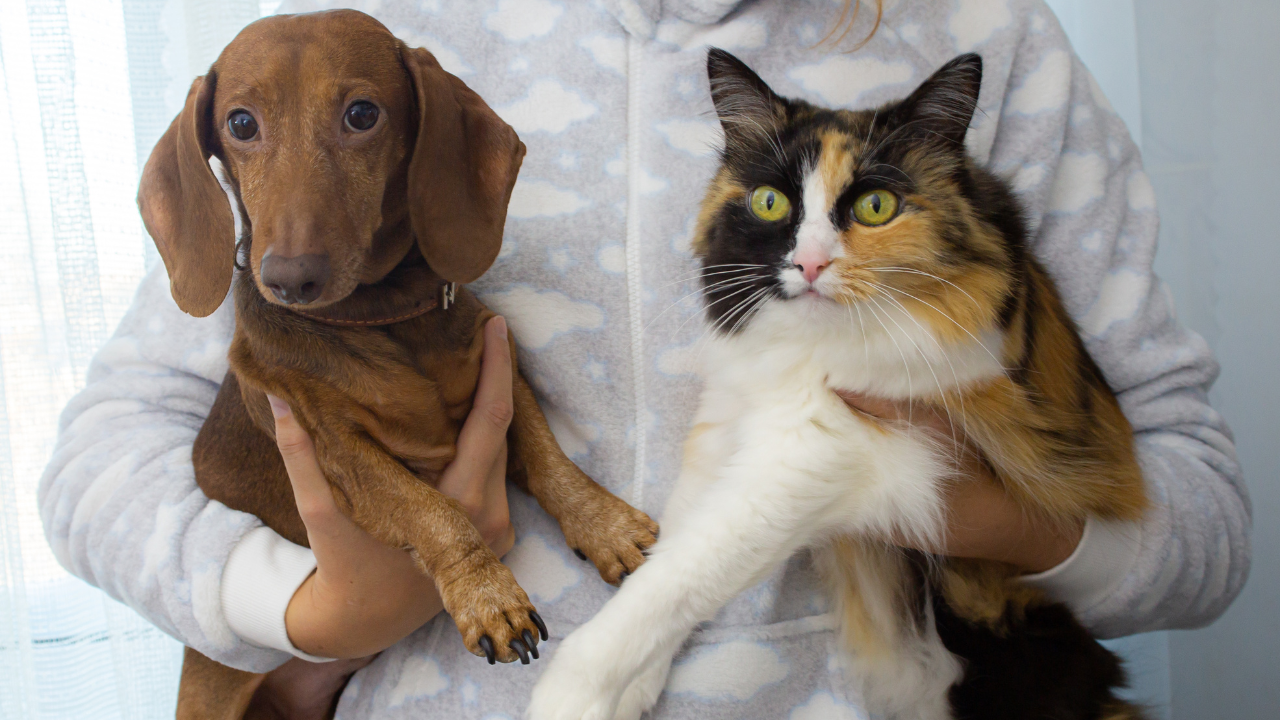
Pets Are Very Good at Hiding Illness
Another important reason for wellness labwork is simple: pets are very good at hiding illness.
Dogs and cats cannot tell us when they don't feel quite right. They may continue eating, playing, and interacting with their families even while a disease process is developing.
By the time a pet shows obvious signs of illness, an underlying problem may have been developing for months or even years.
Routine bloodwork can help us identify changes before they become obvious at home.
Finding a problem earlier may give us more options for managing it. In some cases, early intervention can help slow the progression of disease, improve quality of life, or allow us to make dietary, medication, or lifestyle changes before your pet becomes noticeably ill.
Think of Wellness Labwork as Your Pet's Health History
It can be helpful to think of annual labwork as building your pet's health history.
One blood panel gives us a snapshot.
Several years of bloodwork give us a story.
That history allows your veterinarian to identify trends, recognize subtle changes, and make more informed decisions about your pet's care. It also gives us something valuable to compare against if your pet becomes sick in the future.
The goal isn't to perform unnecessary testing. The goal is to monitor your pet thoughtfully based on their individual needs.
Our pets cannot tell us what they are experiencing or how they are feeling internally. Bloodwork and other laboratory tests give us a window into the inner workings of their bodies and can help us identify changes that may otherwise go unnoticed.
Talk With Your Veterinarian
If your dog or cat is due for their annual wellness examination, ask your veterinarian whether bloodwork, a urinalysis, or other screening tests are appropriate.
Annual wellness labwork isn't just about finding something wrong. It's about getting to know your pet when they are healthy, tracking their health over time, and giving them the best opportunity for a longer, healthier life.
If you have questions and you'd like to reach out to us, you can call us directly at (760) 456-9556, or you can email us at [email protected]. Don't forget to follow us on social media Facebook, Instagram.
The Drake Center for Veterinary Care is an AAHA-accredited animal hospital located in Encinitas, CA. The Drake Center loves being a source of information for all pet owners across the country however if you have any questions regarding pet care and do not live in Encinitas, CA or surrounding cities, we encourage you to contact your local veterinarian. The Drake Center may use AI to assist in sharing knowledge; the Drake Center doctors verify any medical information shared in our blogs or website.